Take a close look — without touching.
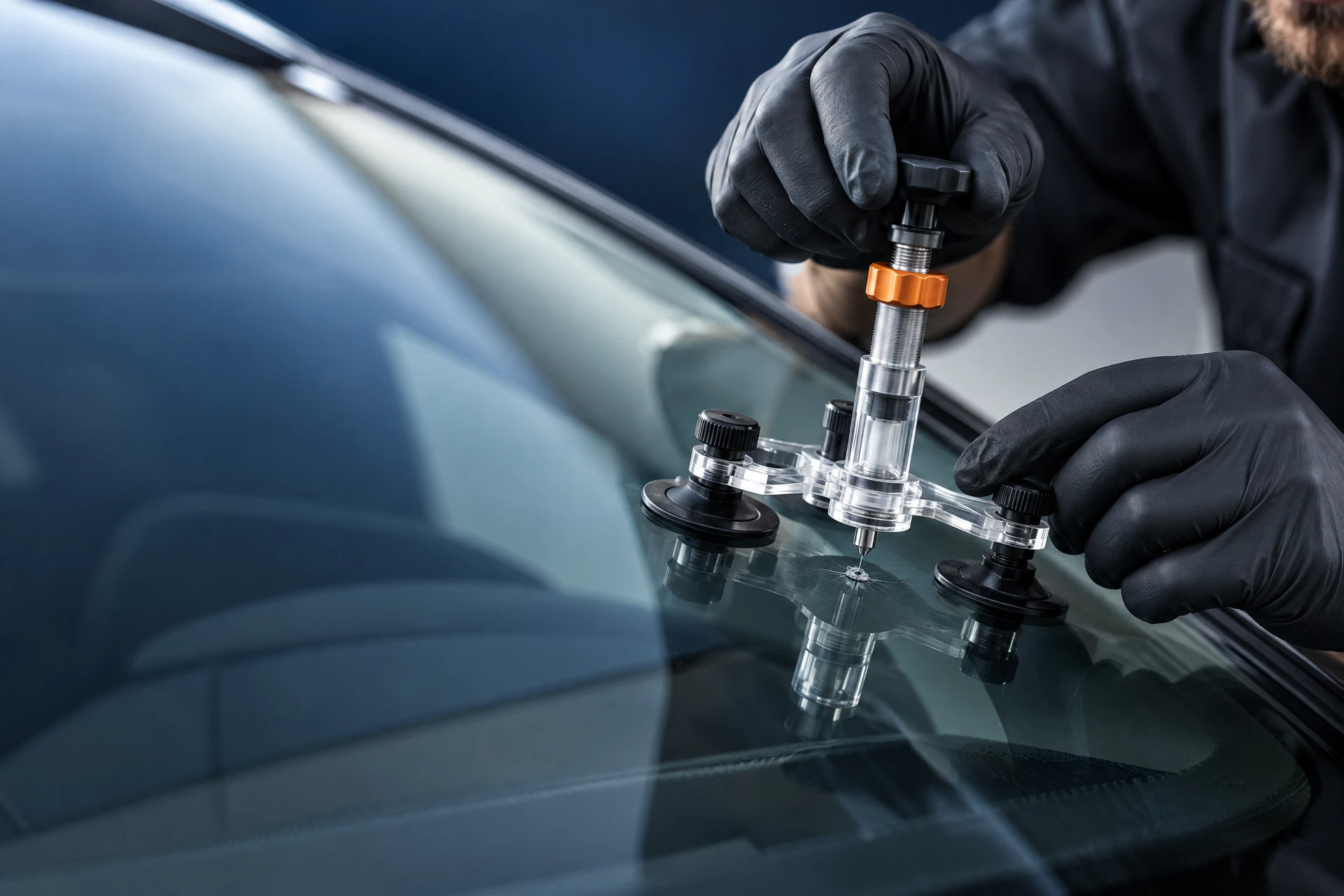
Note the location, pattern, and size of the damage. Is it a chip, a single crack, a branching line, or shattered glass? Photograph it, identify the affected glass, and note whether visibility is affected.
Knowledge center
Practical guidance helps you respond calmly when the glass in your vehicle is damaged or not working as it should.
Smart first steps
These guides are for awareness, not a substitute for an in-person assessment. Every vehicle and every break deserves context.
Note the location, pattern, and size of the damage. Is it a chip, a single crack, a branching line, or shattered glass? Photograph it, identify the affected glass, and note whether visibility is affected.
If the windshield obstructs your view, glass is loose or shedding, a side window cannot close, or the damage is progressing quickly, avoid unnecessary driving and ask for service guidance.
After repair or replacement, your care instructions can depend on the glass location, materials used, weather, and vehicle features. Ask before you leave if anything is unclear.
Location, depth, damage pattern, edge proximity, contamination, line of sight, and vehicle technology can all influence whether a repair may be considered.
A window that drags, leans, or makes noise may have a developing regulator, track, or glass-alignment issue. Repeated switch use can make a stressed system worse.
Avoid sudden temperature extremes directed at a damaged windshield, hard door slams, and aggressive cleaning over a fresh chip. These steps do not repair glass, but may reduce added stress.
Practical guide
Good information speeds up the first conversation. Bring the year, make, model, and body style of the vehicle; the affected glass location; a description of the damage or symptom; and any features you can see near the glass. For a power window, say whether it is stuck up, down, crooked, noisy, or intermittent.
The windshield is a laminated structure: two layers of glass with a plastic layer between them. That construction can cause damage to appear differently from shattered door glass. An impact point may look small at first but can create internal or spreading damage that needs professional evaluation.
Side and rear glass can have different construction and vehicle integrations. A broken side window can affect cabin security; a rear window may involve defroster grid lines or antennas. Preserving vehicle-specific details helps identify the correct next steps.
Still not sure?
Knowledge is a good start. A focused description of your vehicle and the issue helps make the next step clearer.